In this installment of Mike’s comprehensive Evidence series, he finishes discussing relevance, covers competence and begins discussing witness & testimonial evidence. The main topics covered will be: character evidence in criminal cases, tips for approaching MIMIC evidence, writings & the Best Evidence Rule (BER), competency and lay opinion testimony & expert opinion testimony.
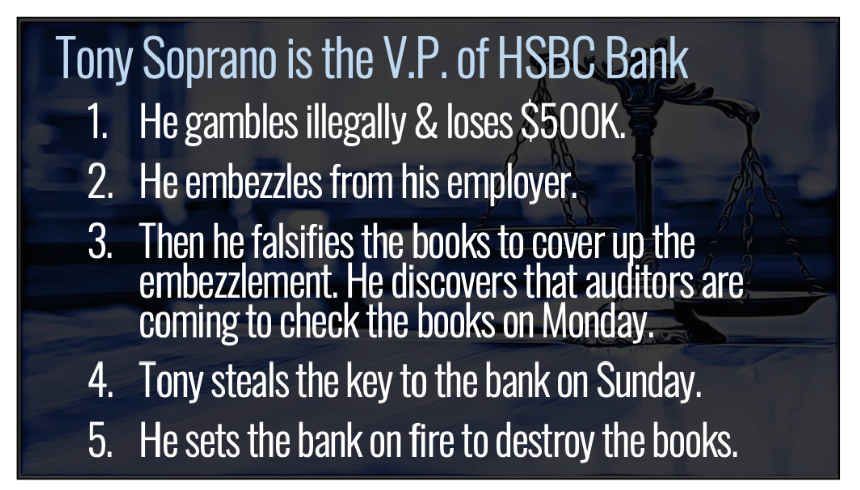
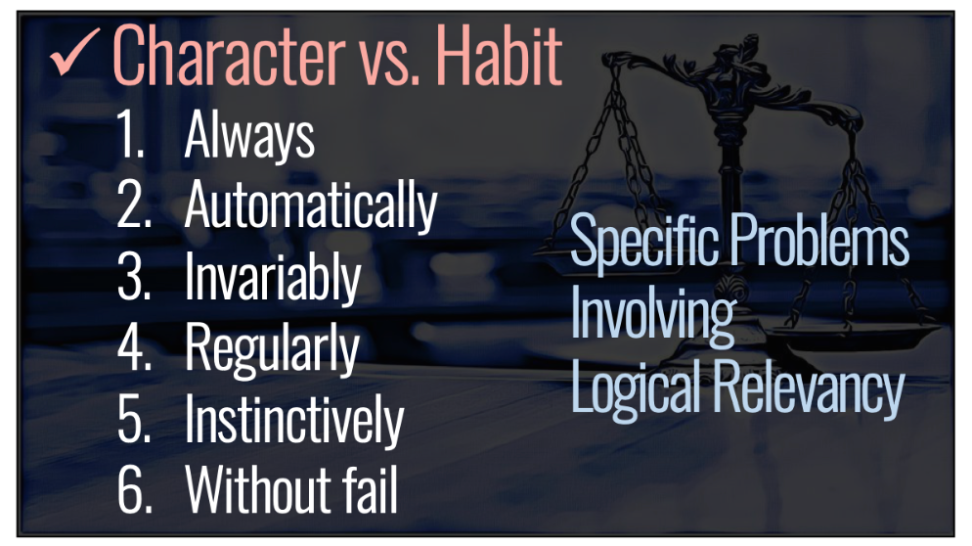
Judges apply the rules of evidence to determine whether to admit or exclude physical evidence, oral testimony & exhibits, and if admitted the jury decides how much weight to afford the evidence. As a starting point, the rules of evidence permit only relevant and trustworthy evidence to be make it in front of the jury. This CLE will focus on specific problems involving logical relevance, character evidence in civil cases and character evidence in criminal cases.
Since I wrote the course Autism Litigation some major findings and decisions have been made on the subject. I wanted to include this update so that Attorney Credit’s clients are not left in the dark about the significant new developments surrounding autism litigation in this country. In short, the new findings completely refute the entire link between the mercury-based preservative thimerasol used…
Are you familiar with the Hero’s Journey, archetypes and universal story themes? Powerful storytellers use time-tested techniques to weave engaging stories and attorneys can deploy these to build rapport to help persuade the judge & jury.
Moneyball. A book written about the Oakland A’s because their organization was the first to utilize research and analytics in baseball to achieve tremendous success on a limited budget. “Moneyball” has since crossed over into numerous industries – and now it’s available for trial lawyers.
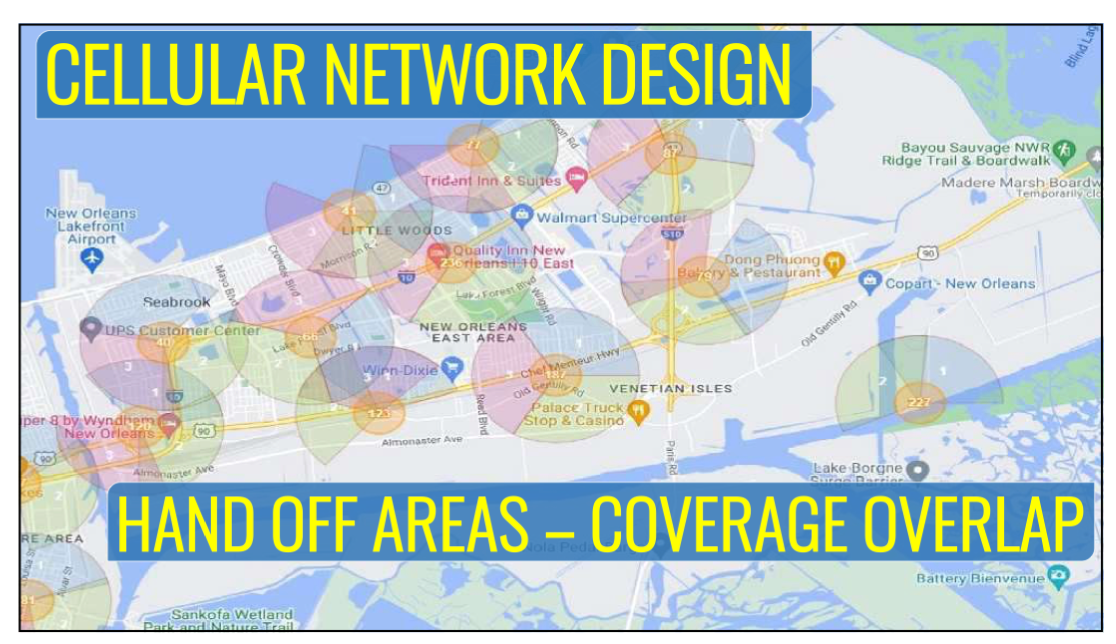
From tracking murder suspects with Facebook Live data – to pointing out mistakes in the state’s location evidence due to bad vector analysis – Eric Grabski will show you how to analyze cell phone location evidence in your legal cases.
Presented by Michael Needleman, this CLE is designed to introduce key concepts of conducting a deposition and then provide deeper practical insights into FRCP Rule 30.
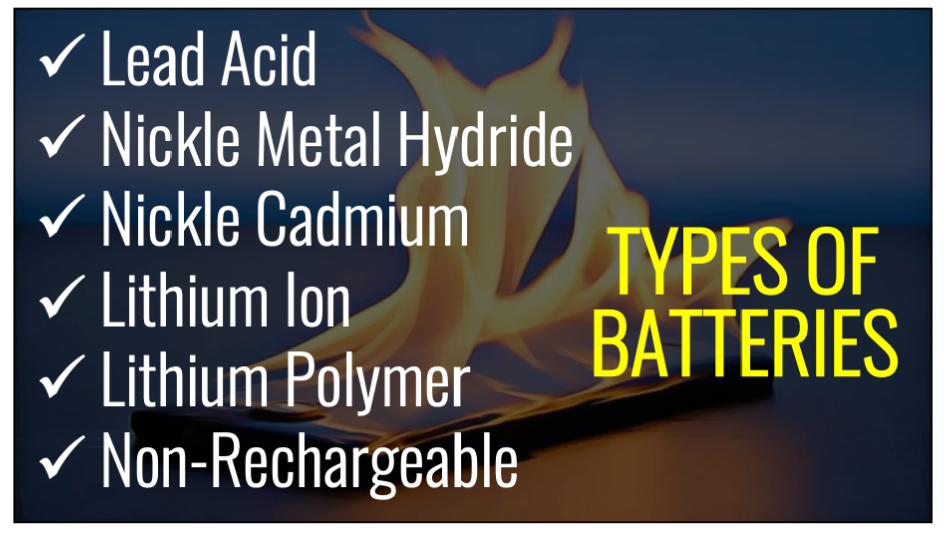
In November 2022, the FDNY reported 191 fires, 140 injuries and 6 deaths from lithium-ion fires in the city. Presented by Brad Davis, professional engineer & expert witness, this CLE presentation will provide an overview of the investigation process following a battery failure or a failure of a battery-powered device. Brad will mainly talk about: battery basics, battery types, history of development, what can go wrong and he will finish by presenting four actual case studies with videos.
Yes, many clients just want you to reach into your files and fire off that demand letter before it’s happy hour on Friday. But is that the best approach for this client? Like Ted Lasso said, “be curious” and know the right questions to ask your client before initiating that first blow of litigation.
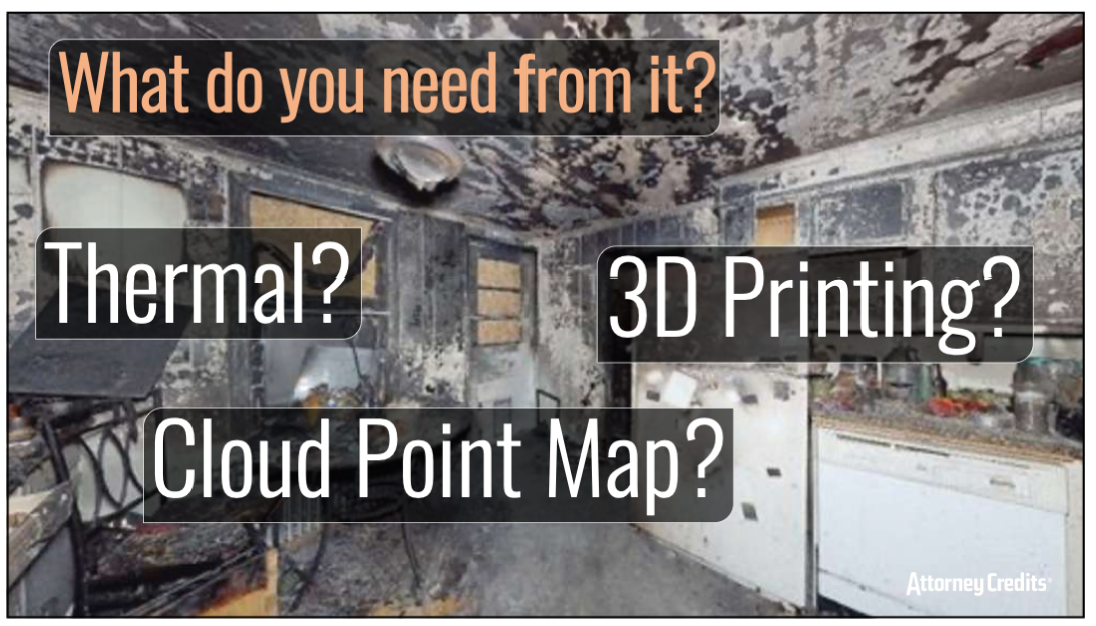
Remote Alaska Fire Loss – Insurance Claim There is a large remote fire loss in Alaska that takes 1-2 days of travel once you’re off the plane. Just as you arrive with your team, you get a text message that one of the parties will not be able to attend and wants to reschedule. What do you do? Using Lidar and Photogrammetry…