
Brevity is your best friend when drafting legal briefs. Randall Christison provides tips on how you can persuade the judge…. in UNDER 500 words!!
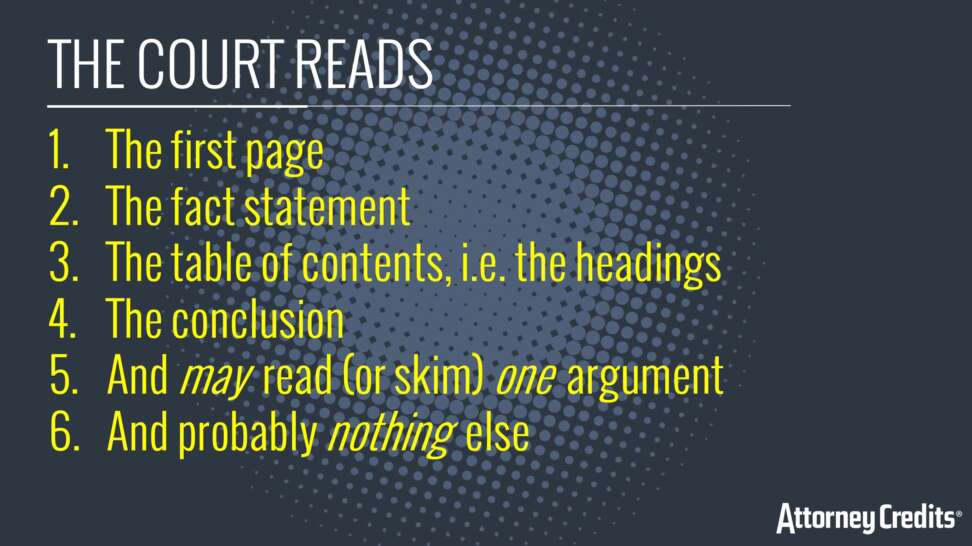
Brevity is your best friend when drafting legal briefs. Randall Christison provides tips on how you can persuade the judge…. in UNDER 500 words!!
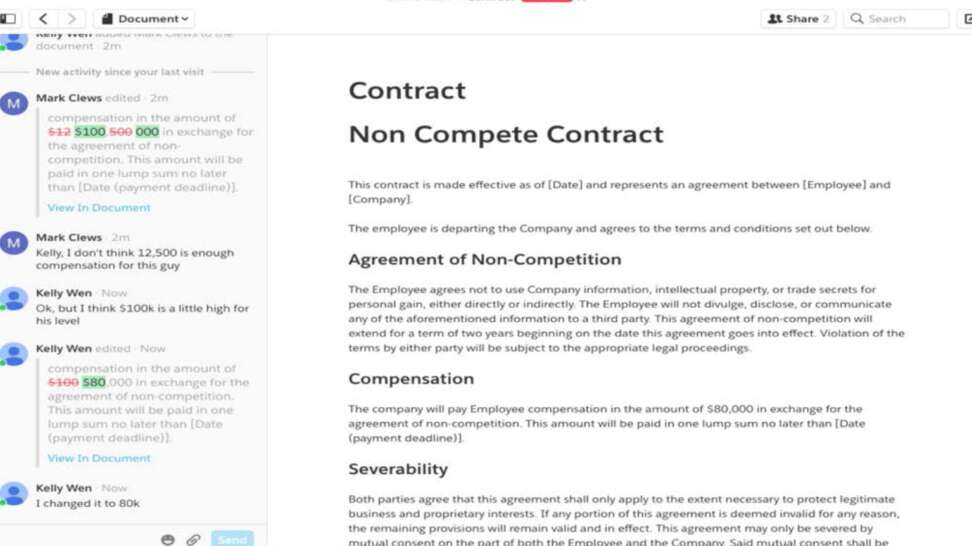
When it comes to today’s eDiscovery, businesses and attorneys are surprised to find that much of the ESI and data now collected comes from apps and SaaS such as Amazon Web Services (AWS), DropBox, WhatsApp, Slack and many more – instead of traditional data forms such as emails, PDFs and .docs.
Currently, California attorneys with last names N-Z must complete 25 CA CLE hours by January 31, 2020… including 4 hours of legal ethics, 1 hour of elimination of bias and 1 hour of competence issues.
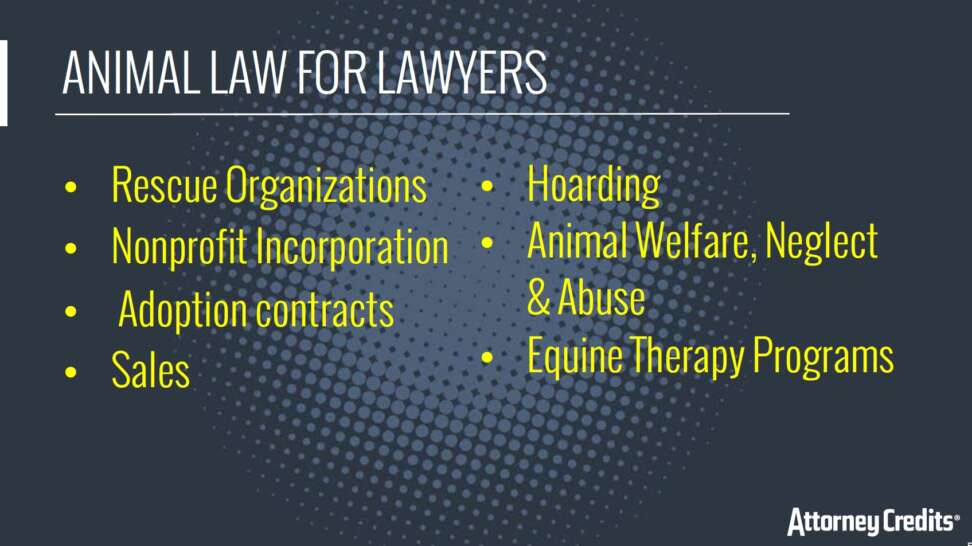
In this CLE course Cheryl Nolan will provide you with the highlights of animal law practice, what keeps Animal Law lawyers up at night and important practice tips.
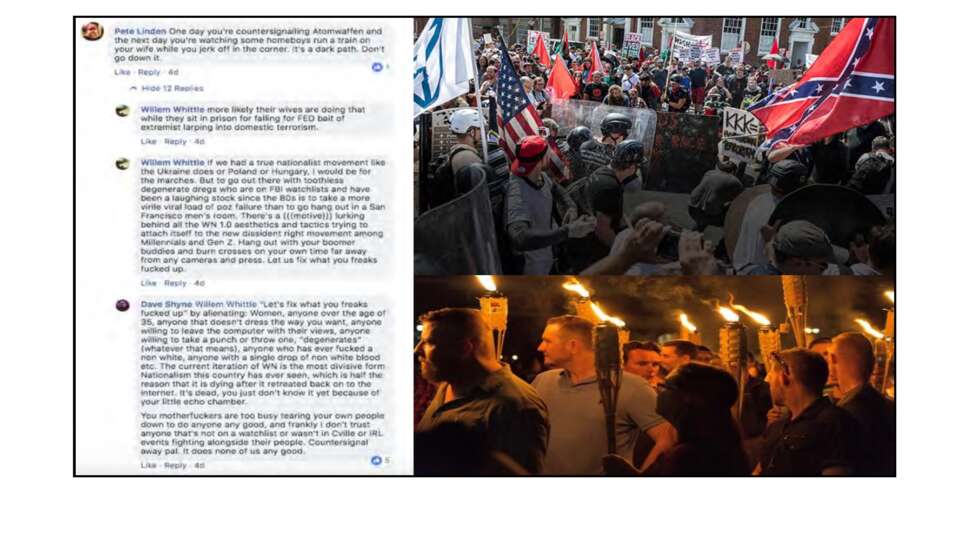
Trial attorney Mark Mermelstein provides you with best practices for getting vital social media evidence admitted at trial, authenticating the electronic evidence, proving its relevance and overcoming hearsay objections. After completing this highly informative & practical course you will understand the legal, practical and ethical implications of using electronic evidence obtained from social media networks and the Internet at trial.
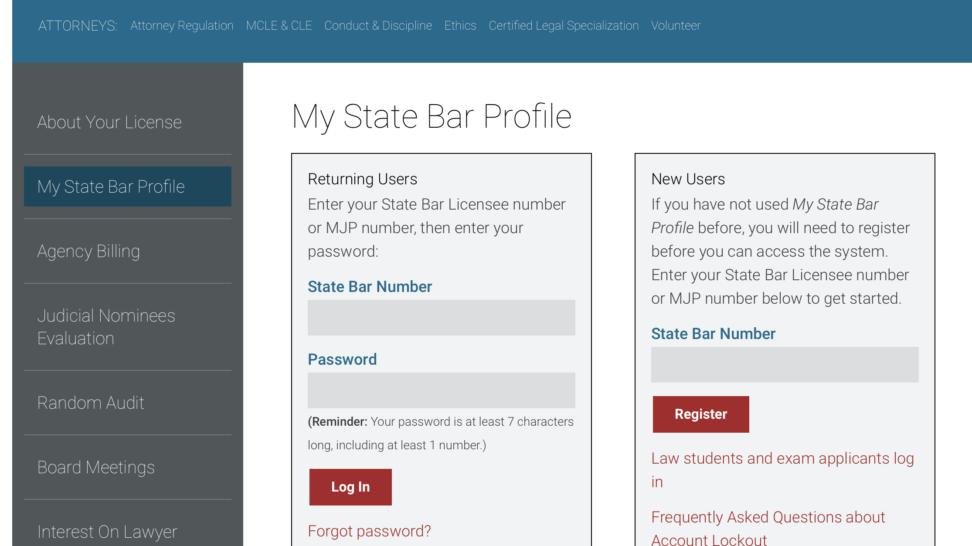
California attorneys may no longer submit a paper compliance card, attorneys must now report their compliance online through My State Bar Profile.
Yes, California attorneys can complete online & downloadable MCLE courses for Participatory credit because we monitor your participation and verify your attendance in the course.
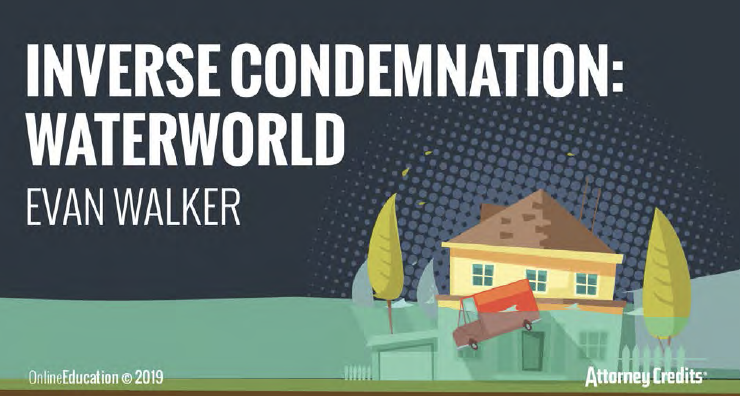
Inverse condemnation in California is a nebulous area of law that involves constitutional claims, tort law and public entity immunity. The case law is murky and in the wake of the recently decided City of Oroville, property owners now face a much tougher road in these cases. California Inverse Condemnation CLE Evan Walker handles inverse condemnation cases in California. In this CLE…
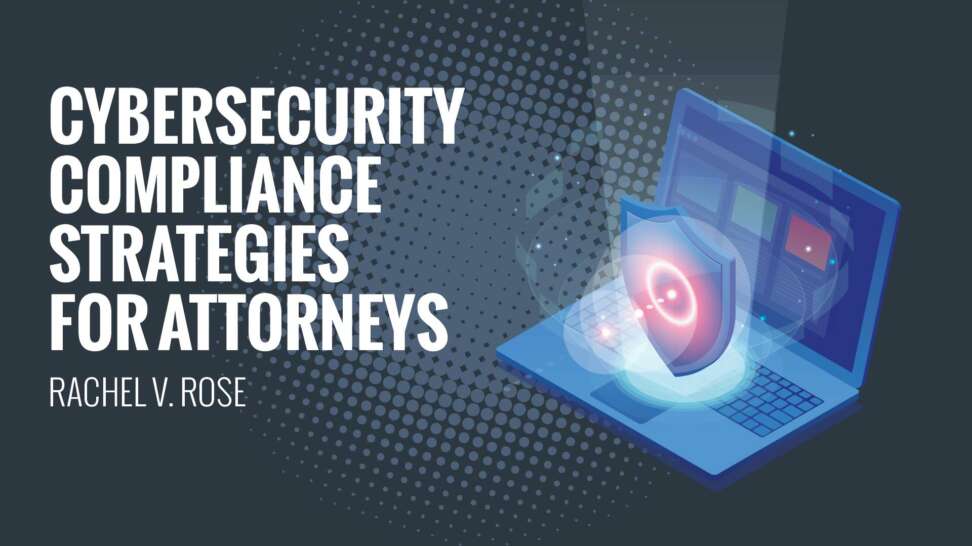
Cybersecurity – it’s not just for Bill Gates and computer geeks anymore. Many attorneys now have ethical and legal duties to be compliant with cybersecurity laws and also protect sensitive client information.
California has new ethics rules effective November 1, 2018. A former litigator and current ethics attorney, Ed McIntyre fills you in on what’s changed… and what’s stayed the same.