Drawing from decades of experience, two seasoned IP professionals explain the distinctions between utility and design patents, the benefits and limitations of provisional applications and the strategic application of trade secrets. Through numerous entertaining case studies and real client stories, this session offers insights into leveraging multiple IP tools effectively. The discussion includes legal requirements, enforcement risks, best practices and how to advise clients based on business goals and budget constraints.

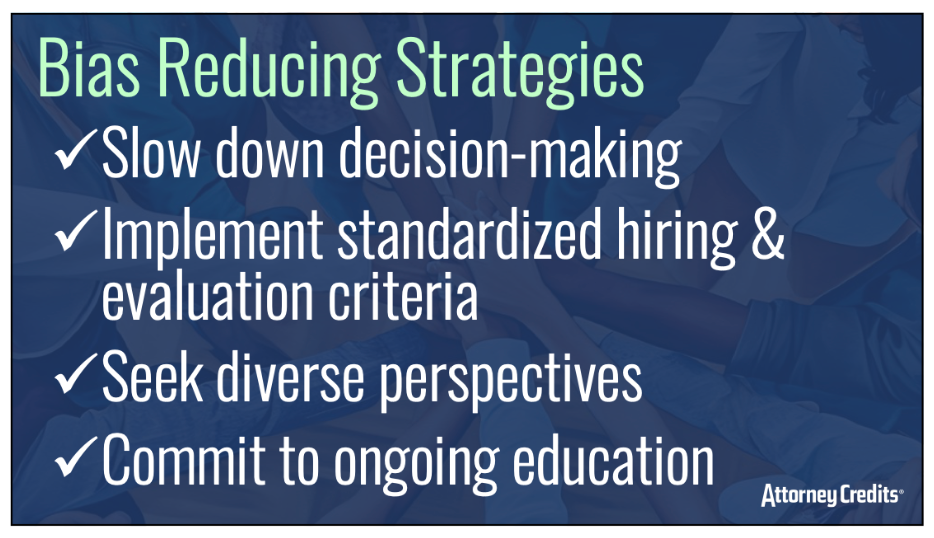
In this highly practical CLE, Employment Law Litigation attorney Mila Arutunian shares her experience & guidance on how companies can avoid unconscious bias in hiring and recruiting potential employees. Mila will mainly discuss the following topics: how implicit bias affects hiring and employment decisions, types of biases and how they diminish the workplace and strategies for employers to reduce bias in hiring. Types of biases discussed: categorization, stereotyping, halo/horn effect, affinity bias and confirmation bias.
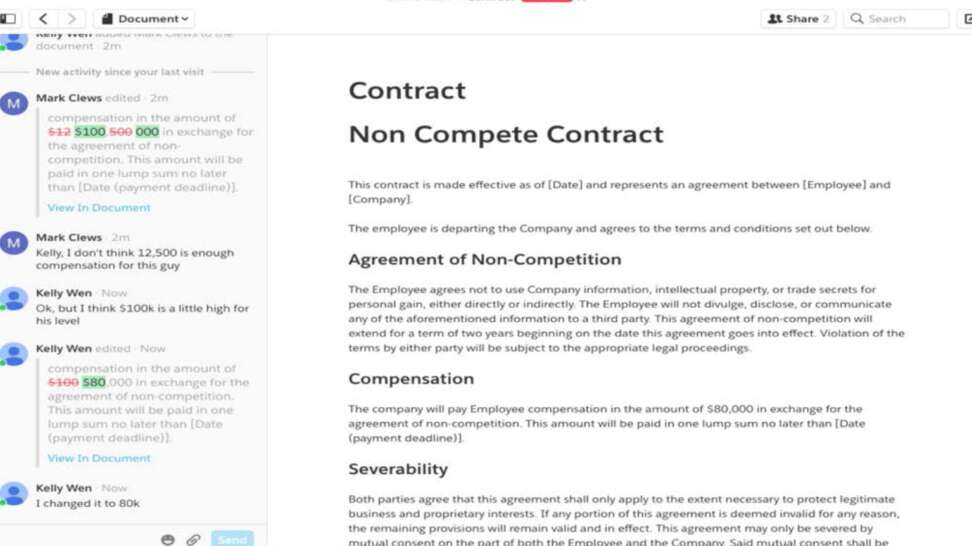
Nate Osborn often recommends a very practical solution that offers asset protection & tax benefits – the LLC. In this CLE he provides practical guidance on how to draft a real estate limited liability company (LLC) operating agreement. Main topics: asking the right questions, determining whether an LLC is the appropriate entity for your client, selecting a member or manager managed LLC, maximizing personal asset protection through the LLC, drafting capital contribution provisions, drafting real estate profit distribution provisions, drafting dispute resolution provisions and tax implications & how to maximize tax benefits.
Experienced New York trial lawyers Jeffrey Kimmel and Joseph Bavaro provide a lively, practical discussion filled with common sense points & tips that you can easily deploy at your next trial. The dynamic duo will mainly discuss gaining credibility by being yourself, practically applying the rules of civil procedure to your case, building rapport with the jury during voir dire, telling your client’s story during the opening statement and listening to the opposing side’s case.
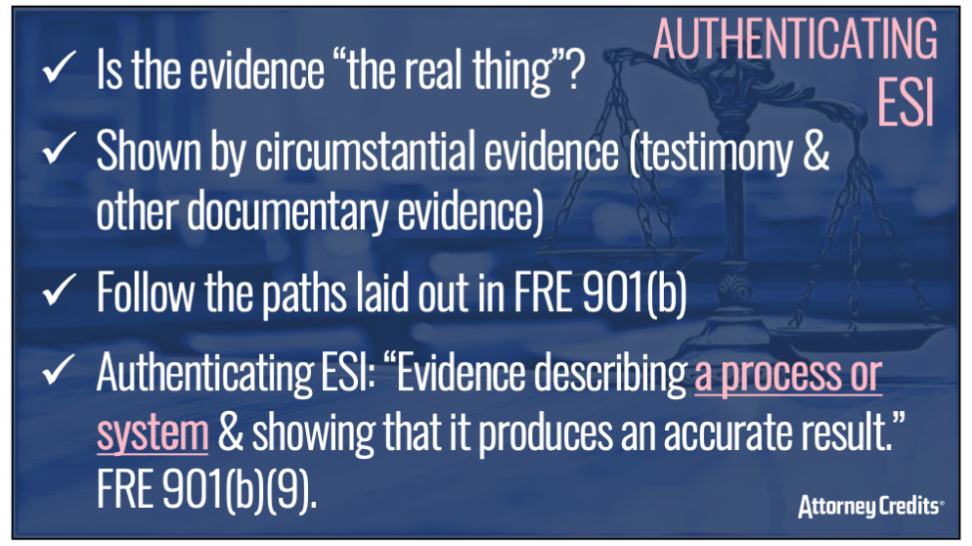
In 2006 the FRCP was amended to include a “new” type of evidence – Electronically Stored Information (ESI). Twenty years later and almost every trial hinges on text messages, Facebook posts, IG stories, tweets, emails, blogs & countless more sources of electronic evidence.
Social media has fundamentally changed our world – including how attorneys select juries. Today, with Facebook, Twitter, LinkedIn and the myriad of social networking websites that fill cyberspace, there is a treasure trove of information about most jurors in the venire – and it is readily available at the touch of your fingertips.
When it comes to today’s eDiscovery, businesses and attorneys are surprised to find that much of the ESI and data now collected comes from apps and SaaS such as Amazon Web Services (AWS), DropBox, WhatsApp, Slack and many more – instead of traditional data forms such as emails, PDFs and .docs.
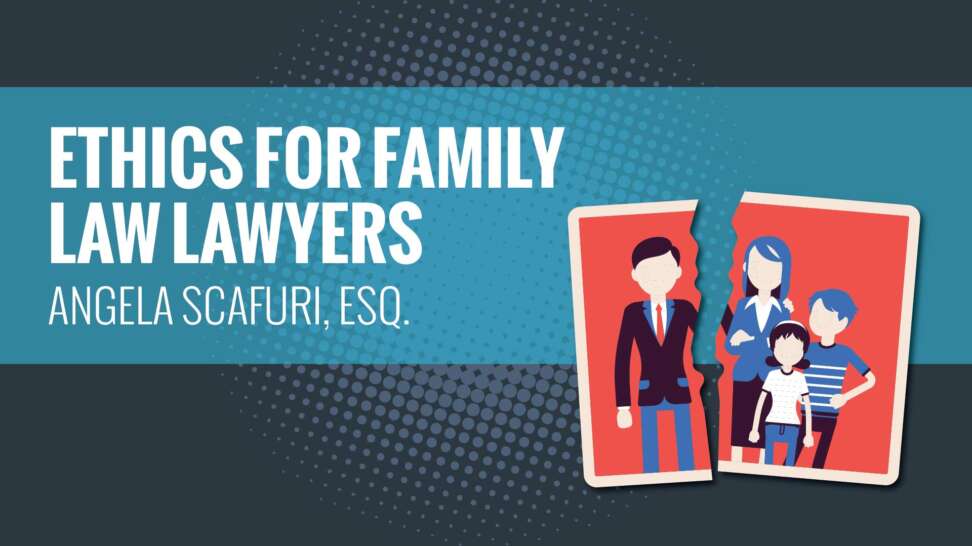
Difficult clients and ethical minefields are lurking everywhere for family law attorneys. In this CLE, Angela Scafuri’s insights will help both new and seasoned family law practitioners to understand the contours of the attorney-client relationship, the problems that arise with difficult clients, client communications and issues involving experts.
When hiring a subject matter expert, careful screening is crucial in order to select an expert with superior skills & credibility that will get the best result in front of the judge and jury.
Your tweets, Facebook posts and blogs can greatly affect your real world law practice. From discovery to advertising your practice, you must remain ethical in our new social media world.