
There are many requirements to keep track of for your New York CLE requirements. Check out our NY CLE FAQ to make sure you’re in compliance!

There are many requirements to keep track of for your New York CLE requirements. Check out our NY CLE FAQ to make sure you’re in compliance!

Experienced attorneys are those attorneys that have been admitted to the New York State Bar Association for more than two years. Experienced New York attorneys are required to complete at least 24 NY CLE credit hours each 2 year reporting cycle.[1] NY CLE Reporting & Compliance Reporting Cycle: 2 years Compliance Deadline: Birth date Reporting Deadline: 30 days after your birthday Towards…
This H-2B visa allows U.S. employers to hire foreign workers to come to America for a temporary period and perform nonagricultural services or labor on a one-time, seasonal, peak load or intermittent basis.
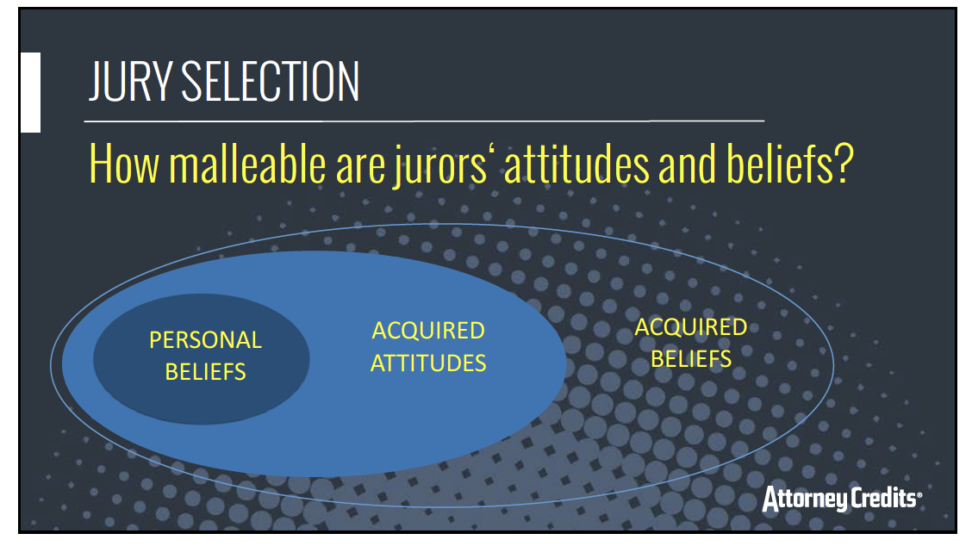
In this CLE course, Dr. David Cannon will mainly address the challenges of selecting a jury in a Facebook world, the key social media platforms to search and how to rate your potential jurors.

Attorneys that have been admitted to the New York Bar for more than 2 years are considered to be experienced attorneys. Experienced attorneys in New York must complete a total of 24 NY CLE credit hours during each biennial reporting cycle.

The goal of this CLE program is to lay out some of the different people groups that you represent and leave you with a better understanding of Arabic-speaking clients. This course qualifies for Professionalism and Bias credits in numerous states.

Experienced attorneys that are licensed to practice in New York may complete all 24 hours through online and downloadable NY CLE courses — in addition to courses on Compact Disc (CD).
Recognizing conflicts at the outset of the representation is key to avoiding ethical headaches and disqualification. Properly deploying conflict software, conflict waivers and engagement letters can prevent many potential problems.
With the cost of litigation and the current backlog in the courts, mediation has become the main path for redress for many aggrieved parties. In this CLE course mediator Monty McIntyre will teach you the fine points of mediation so you can get the best result for your clients.

Cultural Resources are tangible remains of past human activity that provide unique information about past societies and environments. If you are interested in learning more, Michele Fahley details how statutes like NEPA and the National Historic Preservation Act (NHPA) are deployed to protect these important pieces of our history.