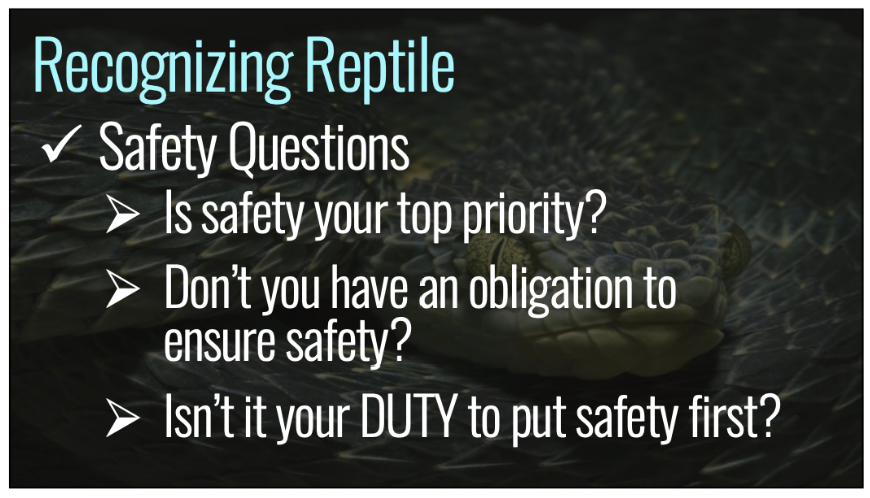
Kate will examine how juror anger, distrust of authority and media-driven narratives have reshaped the litigation landscape. She provides participants with actionable strategies for depositions, motions practice, voir dire, trial themes and closing arguments to defuse emotional manipulation and restore rational decision-making. Attorneys will leave this session with a deep understanding of the psychological and procedural underpinnings of Reptile Theory, how it manifests in pleadings and discovery and concrete techniques for minimizing exposure to runaway verdicts.
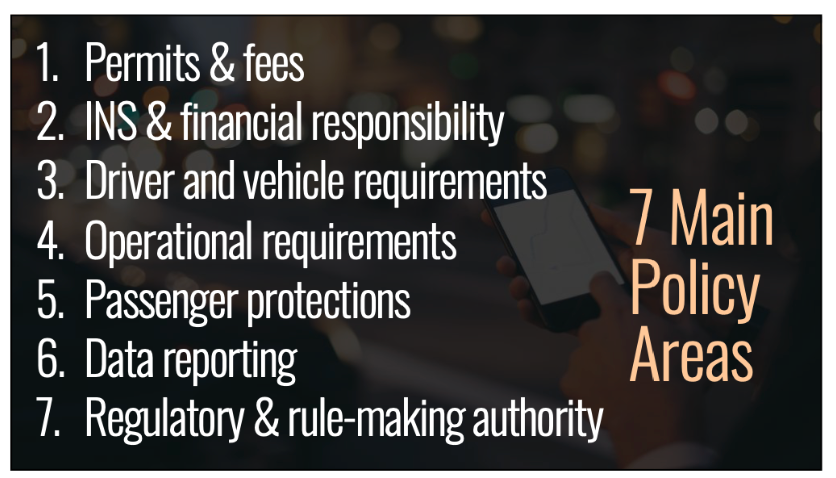
This CLE program presented by attorney Zachary Pyers will provide attorneys with a comprehensive examination of the rapidly evolving legal issues surrounding ridesharing accidents. Participants will gain an in-depth understanding of the prevalence of ridesharing, applicable state & federal regulations, and the complex relationships between drivers, companies, and passengers.
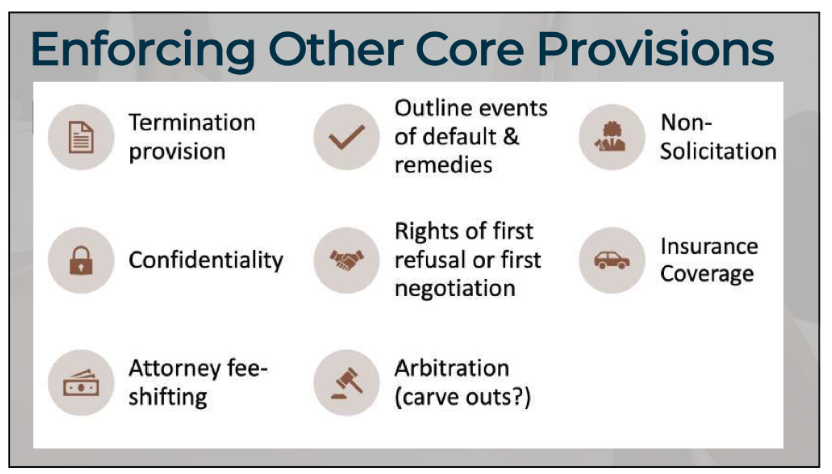
In this CLE, Kristi Zentner and Heather Marx — a seasoned transactional attorney & an experienced commercial litigator — share insights drawn from daily practice on both sides of the negotiating table. They explore the most common flashpoints in contract drafting and negotiation, from indemnification and limitation of liability to representations, warranties, and confidentiality provisions.
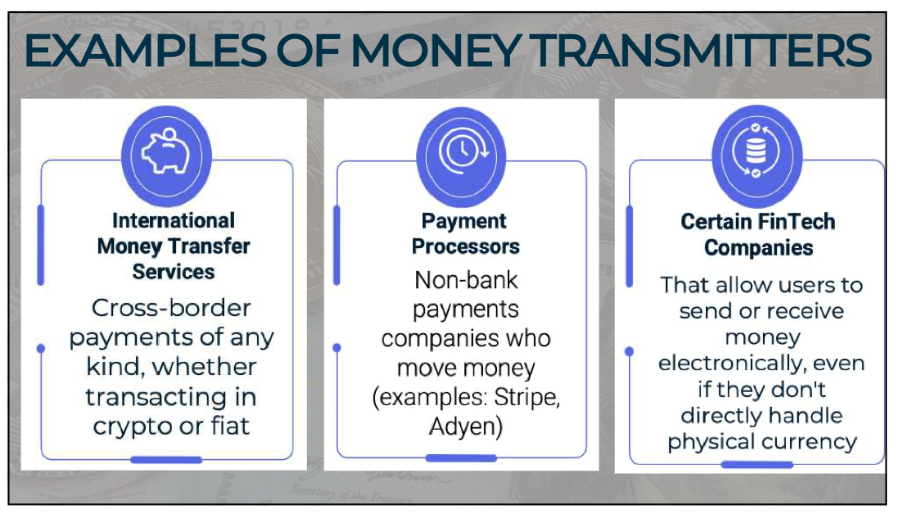
The most significant legal issues for money transmission businesses involve navigating a complex regulatory landscape that includes strict federal and state licensing requirements, robust anti-money laundering (AML) protocols, and extensive reporting and record-keeping obligations. Failure to comply can result in severe civil and criminal penalties. This CLE course explores the regulatory requirements imposed by the FinCEN and state regulators, using real-world enforcement actions — such as those involving Coinstar, Ripple Labs, Sigue Corporation, and Block Inc. — to highlight the legal and financial risks of non-compliance.
This CLE explores the ethical, practical and regulatory implications of integrating artificial intelligence into legal practice. It covers core technologies like machine learning and generative AI, their application in law firms and the ethical responsibilities attorneys under the ABA Model Rules and various state bar ethics opinions.
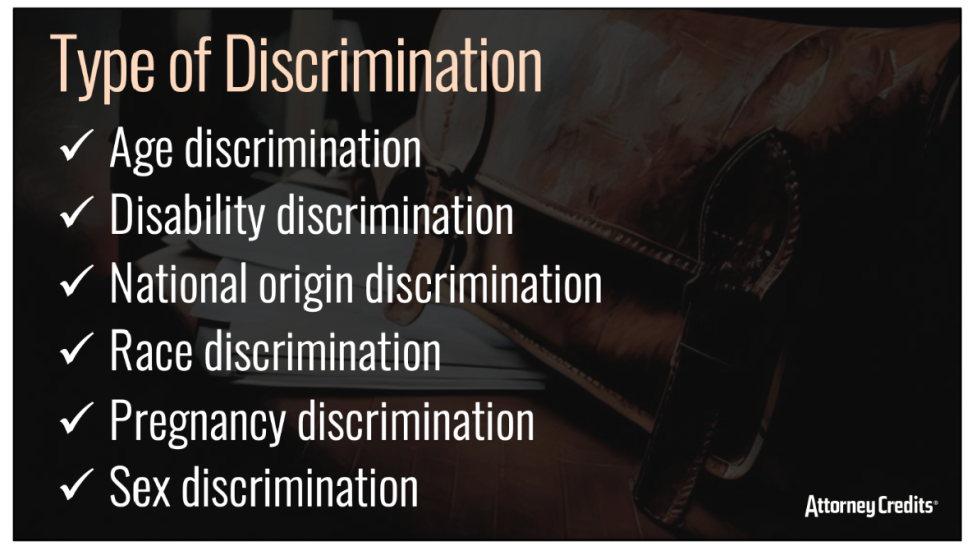
California is known for having some of the strongest employee protections in the U.S., encompassing various aspects of employment. These laws cover areas like minimum wage, overtime pay, meal and rest breaks, paid sick leave, family leave, and protection against discrimination and harassment. The California Fair Employment and Housing Act (FEHA) offers broader protection than federal law, including additional protected classes like sexual orientation, gender identity, and immigration status, according to the Civil Rights Department.
Generative AI is one of the hottest topics due to its ability to create new content like text, images, and videos based on existing data patterns, leading to potential revolutionary applications across various industries. Attorney Scott Sholder will dive into these novel & cutting edge copyright issues of authorship, ownership & protectability of AI generated content when generative Artificial Intelligence (AI) is used to generate content and works of art.
Montana CLE Requirements All active Montana attorneys are required to complete a minimum of 15 credit hours of Montana CLE during each reporting year. Of the 15 credit hours, a minimum of 2 must be earned from programs on professional fitness and integrity (PFI) , which includes: professional responsibility and ethics, fitness to practice, or activities on acknowledging and advancing the elimination…